Unlocking the Magic of 3D Paper Art: A Guide to the Deer in the Spring Lake Shadow Box
Hello, crafters! If you have ever marveled at a piece of artwork that seems to leap off the wall, you have likely encountered the enchanting world of 3D shadow boxes. Among the most captivating designs in this genre is the Deer in the Spring Lake layered paper cutting template. This project is not merely a craft; it is an exploration of depth, light, and storytelling through paper. Whether you are a seasoned scrapbooker or a beginner looking to try something new, understanding how these layered masterpieces come to life can transform your approach to home decor and gift-giving.
What Exactly Is a Layered Shadow Box?
At its core, a 3D shadow box is a framed display case with a deep back, designed to contain objects or layers of material at varying depths. In the context of modern papercrafting, a layered shadow box refers to a design created by stacking multiple sheets of cardstock, each cut with a specific pattern. When these layers are assembled one on top of another with spacers in between, they create a three-dimensional scene with realistic shadows and perspective.
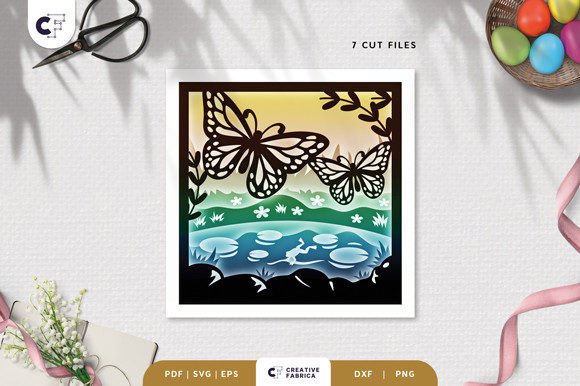
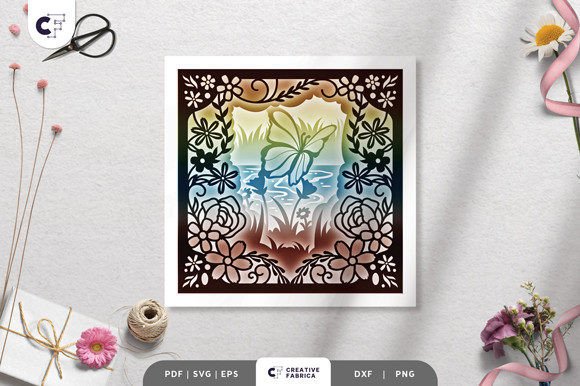
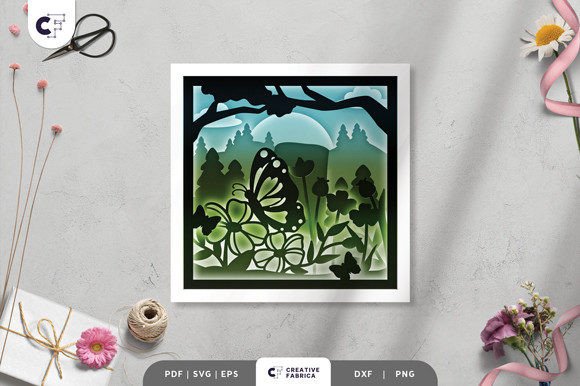
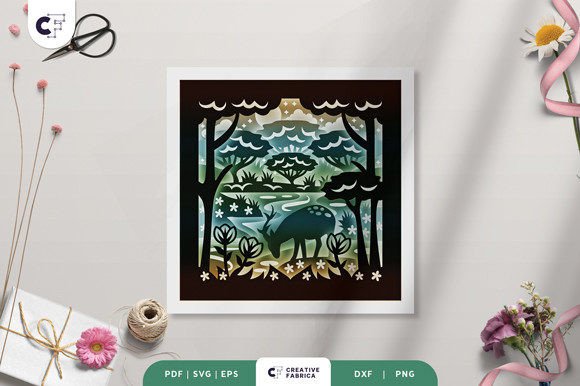
The Deer in the Spring Lake template is a perfect example of this technique. It utilizes six distinct layers to build a serene landscape featuring a majestic deer amidst a springtime setting. The magic lies in the negative space; by cutting away specific parts of each layer, the layers beneath become visible, creating the illusion of distance and volume. The foreground elements appear closer and sharper, while background elements recede, mimicking how our eyes perceive the real world.
The Significance of Depth in Modern Decor
In an era dominated by digital screens and flat images, there is a renewed appreciation for tactile, handmade art. 3D paper art fits beautifully into modern interior design trends that favor texture and organic elements. Unlike a standard print or poster, a shadow box changes appearance depending on the angle of light and the viewer's position. This dynamic quality makes it a focal point in any room, adding a sense of warmth and sophistication that flat art often lacks.
Furthermore, the theme of nature, specifically a deer in a spring lake, resonates deeply with current desires for tranquility and connection to the outdoors. Bringing a slice of nature indoors through paper art can have a calming effect, making it an excellent choice for living rooms, nurseries, or office spaces where a touch of serenity is needed.
Understanding the File Formats and Tools
One of the greatest advantages of modern crafting is the accessibility of digital templates. The Deer in the Spring Lake design is available in a variety of file formats to ensure compatibility with almost any workflow. Understanding these formats is crucial for selecting the right tools for your project.
- SVG (Scalable Vector Graphics): This is the gold standard for electronic cutting machines like the Silhouette or Cricut. SVG files allow the machine to read the paths of the design precisely. A key benefit of SVG is scalability; you can resize the design to fit different frame sizes without losing image quality, provided you maintain the same aspect ratio.
- PDF and EPS: These formats are ideal for those who may not have a digital cutter but still want precision. They can be printed directly onto cardstock and cut by hand, or used with software that converts them into machine-readable files.
- PNG and DXF: PNGs are great for previewing the design or using with certain software interfaces, while DXF is another vector format often used in CAD programs and compatible with many cutting machines.
The template is designed as a square, measuring 20.32 × 20.32 cm (approximately 8x8 inches). This size is versatile, fitting perfectly into standard square frames found at most craft stores. However, because the SVG file is resizable, you have the freedom to adapt the project to larger or smaller frames if your vision demands it.
Manual vs. Digital Cutting: Choosing Your Path
A common misconception is that you need expensive machinery to create professional-looking 3D art. While machines like the Cricut or Silhouette offer speed and intricate precision, they are not strictly necessary. If you do not own a cutting machine, you can absolutely achieve stunning results using a sharp art knife (such as an X-Acto knife) and a self-healing cutting mat. Hand-cutting allows for a more meditative experience, though it requires patience and a steady hand, especially for the finer details in the inner layers.
For those using machines, the process is streamlined: load your cardstock, send the file from your design software, and let the machine do the work. For hand-cutters, printing the PDF on the back of your cardstock can serve as a guide, ensuring you cut the correct shapes for each of the six layers.
Materials Matter: The Role of Cardstock
The structural integrity and visual appeal of your shadow box depend heavily on the paper you choose. Flimsy paper will warp under the weight of glue or fail to hold its shape between layers. For the Deer in the Spring Lake project, it is recommended to use high-quality cover stock.
Specifically, Encore Cardstock 80 lb cover (216 gsm) is highlighted as an ideal choice. This weight provides enough stiffness to stand up on its own when spaced apart, yet it is thin enough to allow for clean cuts without excessive fraying. The 80 lb weight ensures that the shadows cast by each layer are crisp and defined, which is essential for the 3D effect. Using lighter weight paper might result in a "saggy" appearance, while paper that is too thick might be difficult to cut intricately or might make the frame too shallow to close properly.
Note: When selecting colors, remember that the final look can vary based on lighting and the specific hue of the paper. The preview images serve as a guide, but experimenting with different color palettes—such as cool blues for a twilight scene or warm greens for a sunny day—can yield unique results.
Assembly Techniques: From Flat Sheets to 3D Masterpiece
Once your six layers are cut, the assembly phase begins. This is where the flat pieces transform into a dimensional scene. You will need either glue or double-sided tape. Foam adhesive squares are particularly popular among crafters for this step because they provide consistent spacing between layers, enhancing the shadow effect.
- Preparation: Lay out all six layers in order, usually numbered or arranged from background to foreground.
- Spacing: Apply your adhesive spacers to the back of the top layer (or the front of the layer beneath it). Consistency is key; uneven spacing can distort the perspective.
- Stacking: Carefully align each layer, pressing gently to secure the bond. Start from the background and work your way forward to ensure alignment remains true.
- Framing: Once stacked, the entire block can be inserted into a deep-set frame. Secure the backing board to hold everything in place.
Elevating the Design: The Light Box Effect
While a standard framed shadow box is beautiful on its own, there is an optional upgrade that can take this project to the next level: turning it into a light box. By inserting LED strips or fairy lights between the layers during assembly, you can illuminate the scene from within. This technique highlights the translucency of the paper and casts dramatic shadows, creating a magical, glowing effect that is particularly striking in low-light conditions. This variation makes the Deer in the Spring Lake an exceptional night light or a captivating centerpiece for evening gatherings.
The Value of Handmade Gifts
Beyond personal decoration, projects like this hold significant value as gifts. In a world of mass-produced items, a handmade 3D shadow box conveys thoughtfulness and effort. It is a timeless gift suitable for friends, family, or someone special celebrating a milestone. The universal appeal of nature themes ensures that it fits various tastes, and the ability to customize colors allows you to tailor the piece to the recipient's home decor.
Moreover, engaging in this type of creativity fosters mindfulness. The focus required to cut, layer, and assemble the design offers a break from the fast pace of daily life, allowing crafters to enter a state of flow. It is an educational journey into geometry, optics, and design principles, wrapped in a fun and rewarding activity.
To get started on your own journey, you can explore high-quality materials to bring your vision to life. For the best results with this template, consider visiting the 12×12 Cardstock Shop to find the recommended Encore Cardstock. Please note that this is a paid link, but it comes at no extra cost to you and supports the availability of premium crafting supplies.
In conclusion, the Deer in the Spring Lake 3D Shadow Box is more than just a cutting file; it is an invitation to explore the intersection of technology and traditional craftsmanship. Whether you choose to cut by hand or machine, frame it traditionally or illuminate it with LEDs, the result is a personalized work of art that brings depth and beauty to your surroundings. Happy crafting!