Strategic Design and Execution of the Halloween Typography Shadow Box 3 Layers
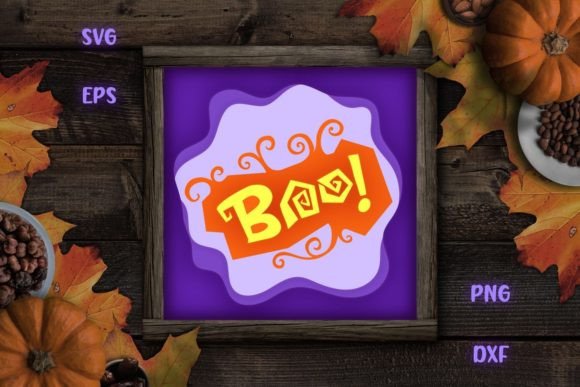
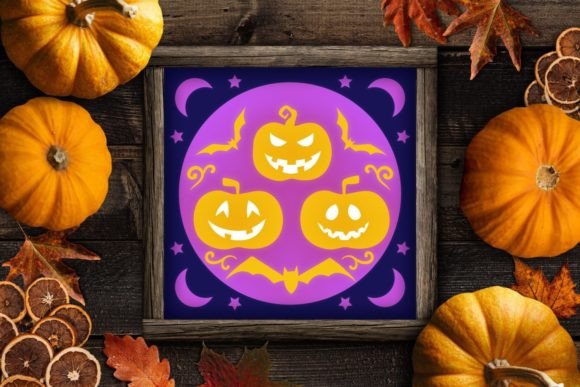
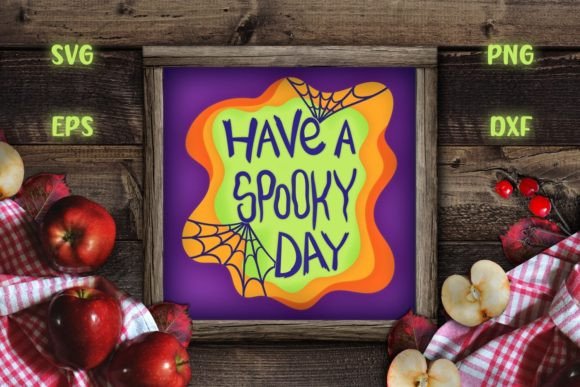
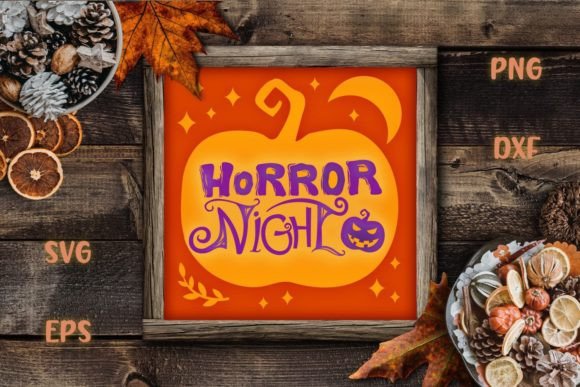
The Halloween Typography Shadow Box 3 Layers represents more than a seasonal craft project; it is a tangible exercise in spatial planning, visual hierarchy, and atmospheric storytelling. For creators, small business owners, and design professionals, engaging with this specific format offers a unique opportunity to refine skills in depth perception and lighting integration while delivering a high-impact visual product. This design features spooky hand-drawn typography alongside classic motifs like pumpkins, moons, and stars, structured across three distinct foreground layers plus a dedicated background. When executed with intention, the result is not merely decoration but a curated experience that brings a touch of Halloween magic to any environment, whether residential or commercial.
Understanding the mechanics behind the Halloween Typography Shadow Box 3 Layers is essential for achieving professional results. The core value lies in the separation of elements. By distributing the hand-drawn typography and illustrative components across three physical planes, you create a parallax effect that static, single-layer prints cannot replicate. This depth requires precise planning regarding spacing and material selection. The inclusion of a background layer serves as the anchor, setting the tone and color palette, while the foreground layers introduce dynamic shadows when illuminated. This structural complexity demands a strategic approach to assembly, ensuring that the final output aligns with your broader goals for quality and aesthetic coherence.
Aligning Visual Depth with Brand and Atmospheric Goals
Integrating the Halloween Typography Shadow Box 3 Layers into your seasonal strategy should begin with a clear definition of objectives. Are you aiming to enhance customer experience in a retail space, create engaging content for social media channels, or develop a signature product line for a holiday market? The three-dimensional nature of this shadow box makes it particularly effective for capturing attention in saturated visual environments. Unlike flat signage, the interplay of light and shadow created by the layered typography draws the eye inward, encouraging viewers to pause and engage.
For marketers and bloggers, the process of assembling these boxes provides rich content opportunities. Documenting the layering process, the selection of LED lights, and the final reveal can serve as compelling narrative arcs that demonstrate expertise and attention to detail. The "spooky hand-drawn" aesthetic appeals to audiences seeking authenticity and artisanal quality, distinguishing your work from mass-produced alternatives. By positioning the Halloween Typography Shadow Box 3 Layers as a premium, thoughtfully constructed item, you reinforce brand values centered on craftsmanship and creativity.
Furthermore, the modularity of the design allows for customization based on specific thematic needs. While the standard design includes pumpkins, moons, and stars, the framework supports variations in typography styles or color schemes to match distinct brand identities. This flexibility ensures that the project remains relevant across different contexts, from cozy home decor to sophisticated event installations. The key is to maintain the integrity of the three-layer structure, as this is the primary driver of the visual impact.
Operational Planning and Resource Allocation
Successful execution of the Halloween Typography Shadow Box 3 Layers requires meticulous operational planning. Before cutting the first piece of cardstock or firing up the laser cutter, one must assess the necessary resources. The design explicitly requires a background layer, three intermediate layers for the main visuals, and a robust lighting system. LED lights are not optional; they are the engine that powers the illusion of depth. Without proper illumination, the shadows cast by the typography and icons will fail to materialize, rendering the multi-layer effort ineffective.
When sourcing materials, consider the opacity and texture of the paper or acrylic used for each layer. Thicker materials may cast sharper, more dramatic shadows, while translucent options can diffuse light for a softer, ethereal glow. Decision-making here directly influences the final mood of the piece. Additionally, the frame depth must be calculated accurately to accommodate all four layers (three foreground plus background) without compression, which could distort the intended spacing and ruin the parallax effect.
- Material Selection: Choose cardstock weights that balance rigidity for clean cuts with enough translucency if back-lighting is desired.
- Lighting Configuration: Select LED strips or puck lights with adjustable brightness to control the intensity of the shadows cast by the hand-drawn elements.
- Spacing Precision: Use foam spacers or digital calipers to ensure consistent distance between layers, typically ranging from 0.5 to 1 inch depending on the frame size.
- Assembly Workflow: Establish a clean, dust-free environment to prevent particles from becoming trapped between layers, which would be highlighted by the internal lighting.
Professionals should also consider the scalability of production. If the goal is to sell these units or deploy them across multiple locations, creating a repeatable assembly jig or template can significantly reduce labor time and minimize errors. The Halloween Typography Shadow Box 3 Layers design is intricate enough that manual estimation of layer placement often leads to inconsistencies. Standardizing the workflow ensures that every unit meets the same high standard of quality.
Risk Management and Common Pitfalls
Deploying the Halloween Typography Shadow Box 3 Layers without a clear strategic framework carries inherent risks. The most common failure point is the misalignment of layers during assembly. Even a millimeter of shift can disrupt the visual continuity of the typography, making the text difficult to read or the image disjointed. This underscores the importance of reviewing instruction videos and preview images thoroughly before beginning. These resources provide critical insights into the intended alignment and stacking order, which are not always intuitive from static files alone.
Another significant risk is inadequate lighting planning. Simply placing a light source at the bottom or top without considering heat dissipation or power access can lead to operational failures. LEDs generate heat, and in an enclosed shadow box, this can warp paper layers or degrade adhesives over time. Strategic placement involves not just aesthetics but thermal management. Furthermore, relying on battery-powered lights without a clear maintenance schedule can result in dimming or failure during peak display times, undermining the intended impact.
There is also the risk of context mismatch. While the spooky hand-drawn typography is versatile, it may not suit every brand voice or interior design scheme. Using this asset randomly, without considering the surrounding environment, can make the installation feel out of place rather than enchanting. Decision-makers must evaluate whether the "Halloween magic" aligns with their overall seasonal strategy or if it clashes with existing brand guidelines. Intentionality is the safeguard against these pitfalls; every element from the font choice to the moon placement should serve a defined purpose.
Maximizing Long-Term Value and Reusability
To extract maximum value from the Halloween Typography Shadow Box 3 Layers, consider its lifecycle beyond a single season. High-quality construction allows these pieces to be stored and redeployed annually, offering a strong return on investment for businesses and homeowners alike. Designing the layers to be easily removable or interchangeable can extend the utility of the frame. For instance, swapping the hand-drawn typography for different phrases while keeping the pumpkin and star layers creates a fresh look without rebuilding the entire structure.
For educators and workshop leaders, this project serves as an excellent teaching tool for principles of design thinking and engineering. It demonstrates how two-dimensional assets can be transformed into three-dimensional experiences through strategic layering. Guiding students or team members through the process fosters problem-solving skills and an appreciation for the nuances of light and shadow. The collaborative nature of assembling the layers encourages teamwork and precise communication, valuable soft skills in any professional setting.
Ultimately, the success of the Halloween Typography Shadow Box 3 Layers hinges on the balance between creative vision and practical execution. It is a project that rewards patience and precision. By approaching the design with a strategist's mindset—focusing on goals, resource allocation, and risk mitigation—you transform a simple craft file into a powerful visual asset. Whether used to elevate a brand's seasonal presence or to add a personalized touch to a living space, the deliberate application of this three-layer system ensures a result that is both visually stunning and operationally sound.
As you proceed with your crafting or production plans, remember to leverage available resources. Visiting instruction videos and studying preview images provides the necessary context to understand the layering logic fully. These tools are not mere supplements but essential components of the planning phase. Happy holiday crafting awaits those who approach the Halloween Typography Shadow Box 3 Layers with clarity, purpose, and a commitment to excellence.