Creating Miniature Gardens with the Daisy Template Mini Rolled Flower DIY
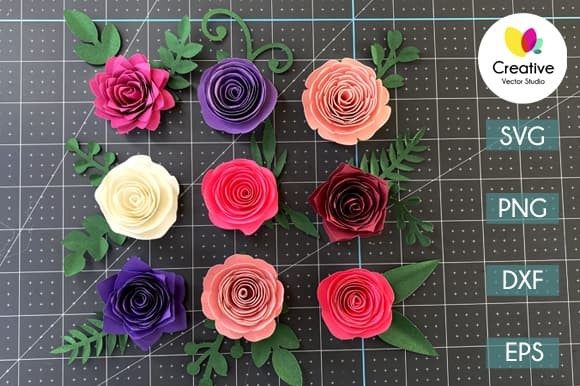
The world of paper crafting offers a unique intersection of patience, precision, and artistic expression. Among the myriad of projects available to creators, few offer the same level of charm and versatility as the Daisy Template Mini Rolled Flower DIY. This specific design approach transforms simple sheets of cardstock into intricate, three-dimensional botanical arrangements that can elevate everything from greeting cards to home decor. Unlike traditional flat paper flowers, the rolled technique introduces depth and texture, mimicking the organic curves found in nature while maintaining the durability and clean lines of paper art.
For hobbyists, small business owners, and professional designers alike, understanding the nuances of this template is essential. It is not merely about cutting shapes; it is about orchestrating a assembly process that results in a cohesive, lifelike bundle. The Daisy Template Mini Rolled Flower DIY is specifically engineered to solve common issues faced by crafters, such as inconsistent flower orientation and bulky bases, making it an ideal choice for projects where space and presentation are paramount.
Deconstructing the Design: Components and Specifications
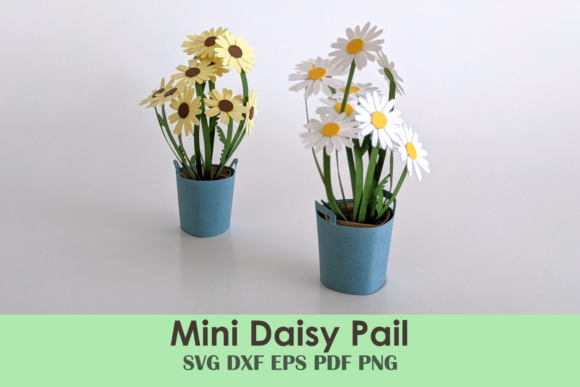
To fully appreciate the utility of this project, one must first understand its architectural breakdown. The design is typically divided into two primary categories: the floral elements and the container. In the standard configuration, the plant dimensions are approximately 3 inches by 1.5 inches, while the accompanying planter measures roughly 1 inch by 1 inch. However, one of the most significant advantages of digital crafting files is their scalability. Whether you need a miniature accent for a jewelry box or a larger centerpiece for a table setting, the Daisy Template Mini Rolled Flower DIY can be resized without losing the integrity of the roll mechanism or the proportion of the petals.
The file structure itself is meticulously organized to streamline the production workflow. Instead of a single complex shape, the template provides separate vectors for:
- Stems: Long, narrow strips designed to be rolled tightly to create structural support.
- Petals: Circular or semi-circular shapes that form the bloom when layered.
- Flower Centers: Small, distinct pieces that add contrast and realism to the daisy face.
- Pail/Planter: A geometric shape that folds and glues to encase the base of the arrangement.
This separation of components allows crafters to experiment with color combinations easily. For instance, one might choose classic white petals with yellow centers for a traditional look, or opt for pastel pinks and blues for a whimsical aesthetic, all while using the same underlying Daisy Template Mini Rolled Flower DIY structure.
The Strategic Advantage of Directional Arrangement
A standout feature of this specific template design is its intentional arrangement logic. Many generic flower files result in a bouquet where blooms face random directions, which can be chaotic and difficult to manage in confined spaces. The Daisy Template Mini Rolled Flower DIY addresses this by arranging the cut files so that, once assembled and adjusted, all daisies face predominantly the same direction.
This creates a defined "front" and "back" to the arrangement. Why is this critical? It opens up a world of possibilities for shadowboxes and 3D greeting cards. When placing the plant inside a shadowbox frame, a unidirectional bouquet ensures that every flower is visible to the viewer, rather than having some hidden behind others or facing the back of the box. Similarly, in a 3D pop-up card, the flowers can be positioned to burst forth towards the recipient, creating a dramatic and engaging visual experience. This thoughtful design consideration saves the crafter hours of trial and error during the assembly phase.
Step-by-Step Assembly: From Flat Sheet to 3D Bloom
The magic of the rolled flower technique lies in its simplicity. The plant is essentially a sophisticated roll-up mechanism. While the cutting machine handles the precision work, the human touch is required for the assembly, bringing the static paper to life. Here is a practical guide to navigating the construction process:
- Precision Cutting: Begin by loading your chosen cardstock into your cutting machine. Ensure the material is suitable for rolling; generally, 65lb to 80lb cardstock offers the best balance between flexibility and structural hold. Cut all pieces according to the Daisy Template Mini Rolled Flower DIY settings.
- Flower Head Assembly: Before rolling the stems, assemble the flower heads. Glue two petal rounds together for added volume, then attach one center piece to each. Crucial Tip: Be mindful to keep the daisies facing outward during this step. If you glue them backward, the final orientation will be incorrect, defeating the purpose of the directional design.
- The Rolling Process: Take the long strip designated for the stem and foliage. Starting from the left side, begin rolling the paper tightly towards the right, following the direction indicated by the arrow on the template. As you roll, apply a thin line of glue along the edge to seal the cylinder. This forms the main body of the plant.
- Shaping and Realism: Once the glue sets, gently curl the individual stems slightly outward. This subtle adjustment breaks the uniformity of the machine-cut lines and creates a more realistic, organic effect, as if the flowers are reaching for sunlight.
- Base Wrapping: To finish the plant and prepare it for the planter, continue wrapping strips of paper (often textured to look like dirt or moss) around the base of the rolled stems. This conceals the raw edges of the paper and provides a sturdy anchor point for gluing the arrangement into the mini pail.
Practical Applications and User Scenarios
The versatility of the Daisy Template Mini Rolled Flower DIY extends far beyond a simple weekend craft. Its compact size and durable nature make it a valuable asset for various professional and personal applications.
Small Business Owners: For those selling handmade goods, these mini daisies are perfect for embellishing product packaging. A small cluster glued to a gift box or a thank-you note adds a premium, personalized touch that resonates with customers. They can also be sold as standalone decor items for dollhouses or fairy gardens, niches that have a dedicated and enthusiastic market.
Event Planners and Decorators: In the realm of weddings and parties, paper flowers offer a permanent alternative to fresh blooms that won't wilt in the heat. These mini daisies can be mass-produced to create consistent boutonnieres, cake toppers, or table scatter. The ability to scale the Daisy Template Mini Rolled Flower DIY means a decorator can create a unified theme across different elements of an event, from large centerpieces to tiny favor boxes.
Educators and Therapists: The rolling and gluing process involved in this project is excellent for developing fine motor skills. It serves as a calming, repetitive activity that can be used in art therapy settings or classroom environments to teach geometry, sequencing, and patience.
Evaluating Suitability and Limitations
While the Daisy Template Mini Rolled Flower DIY is robust, it is important to manage expectations regarding materials and environment. Paper, by nature, is susceptible to moisture and direct sunlight. If these creations are intended for outdoor use or high-humidity environments like bathrooms, they should be treated with a sealant spray or kept within protective casings like the aforementioned shadowboxes.
Furthermore, the success of the project relies heavily on the quality of the adhesive used. Standard school glue may not hold the tension of the rolled paper over time, especially in warmer climates. Crafters are advised to use quick-dry tacky glue or hot glue for structural points to ensure longevity. Additionally, while the template simplifies the process, there is still a learning curve to achieving perfectly tight rolls without crushing the paper. Practice on scrap material is recommended before committing to final project colors.
In conclusion, the Daisy Template Mini Rolled Flower DIY represents a harmonious blend of digital convenience and analog artistry. It empowers users to create complex, directional floral arrangements with ease, bridging the gap between novice crafters and professional designers. Whether used to brighten a shadowbox, adorn a commercial product, or simply enjoy the meditative process of creation, this template offers a timeless appeal that continues to bloom in the hands of creators worldwide.