Elevating Your Designs with an Abstract 3D Black Fabric Background
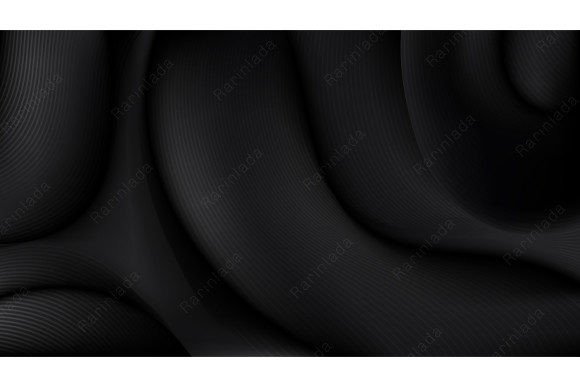
We have all been there. You are working on a project that demands sophistication, perhaps a luxury product launch or a high-end portfolio piece. You need a backdrop that screams quality without shouting for attention. This is where an Abstract 3D Black Fabric Background becomes an indispensable asset. Unlike flat colors or generic gradients, this type of resource offers depth, texture, and a tactile feel that immediately elevates the perceived value of your work. It is not just a dark image; it is a carefully constructed environment of light and shadow, rendered to mimic the intricate folds and wrinkles of premium material.
When we talk about this specific design element, we are referring to a vector-based illustration that captures the elegance of draped fabric. The "3D" aspect comes from the masterful use of lighting effects on the virtual cloth, creating realistic highlights and deep shadows within the wrinkles. Because it is abstract, it avoids distracting patterns, allowing your foreground content—whether text, logos, or product mockups—to take center stage. The inclusion of subtle lines and pattern textures adds a layer of complexity that keeps the eye engaged without overwhelming the viewer.
Real-World Applications for Creators and Businesses
The versatility of a high-resolution black fabric texture extends far beyond simple aesthetics. Different professionals leverage this resource to solve specific visual problems in their daily workflows.
- Luxury Branding and Packaging: Imagine you are designing a label for a premium perfume or a limited-edition watch. A standard white background feels too clinical, while a busy pattern feels cheap. An elegant 3D black fabric background provides the perfect stage. It mimics the feeling of velvet or silk lining found in high-end jewelry boxes, instantly communicating exclusivity to the customer before they even read the brand name.
- Tech and Automotive Marketing: For marketers promoting sleek gadgets, smartphones, or luxury vehicles, darkness often equals sophistication. Using this background for social media ads or website headers creates a dramatic contrast that makes metallic finishes and glowing screens pop. The wrinkles in the fabric add a human, organic touch to otherwise cold, industrial products.
- Event Invitations and Stationery: Freelancers designing invitations for galas, award ceremonies, or exclusive nightclubs can use this texture to set the mood. The deep blacks and soft folds suggest an evening event, adding a sense of formality and gravity to the invitation suite.
- Web Design and UI Elements: Web developers often struggle with creating "dark mode" interfaces that don't look flat or dull. Incorporating a subtle fabric texture as a section background breaks up the monotony of solid hex codes. It adds depth to the user interface, making buttons and cards appear to float above the surface.
Why Vector Format Matters for Professional Results
One of the most critical aspects of this resource is its format. You are not just getting a static JPEG; you are receiving a 100% vector file, typically in EPS Version 10 format, alongside a high-resolution JPG. Why does this distinction matter so much in real-world scenarios?
Consider a situation where a small business owner loves the design for their local shop's window display but later decides to use it for a massive billboard downtown. If the image were a low-resolution raster file, scaling it up would result in pixelation, blurriness, and a professional embarrassment. However, because this Abstract 3D Black Fabric Background is fully editable vector art, it can be scaled to any size—from a business card to a building-sized banner—without losing a single ounce of clarity. The mathematical paths that define the wrinkles and lines remain crisp at 300 DPI or higher, ensuring your print materials look sharp and expensive.
Furthermore, the editability factor is a game-changer for graphic designers using software like Adobe Illustrator or Corel Draw. Since the file contains no watermarks and is fully layered, you have complete control. Maybe the client wants the fabric to be a deep midnight blue instead of pure black? With vector files, shifting colors is instantaneous. Need to adjust the contrast of the highlights to better suit a specific logo placement? You can manipulate the gradient meshes and opacity settings directly. This flexibility saves hours of work compared to trying to photoshop a flattened image.
Strategic Considerations Before You Download
While the benefits are clear, choosing the right background requires a bit of strategic thinking. It is not enough to simply pick the darkest image available. Here are practical factors to consider before integrating this texture into your project.
Contrast and Readability: The primary function of a background is to support the foreground. When using a dark, wrinkled fabric texture, ensure your text or main subject has sufficient contrast. White or metallic gold typography usually works best. Avoid placing dark gray text over the deepest shadows of the fabric, as it will become illegible. Use the lighter highlights of the fabric wrinkles to anchor important elements or create a natural focal point.
Mood Alignment: Not every project benefits from a moody, dark aesthetic. While this background is perfect for luxury, mystery, or elegance, it might feel out of place for a children's educational app or a bright, airy lifestyle blog about summer vacations. Ensure the emotional tone of the fabric matches your brand voice. If your brand is about approachability and fun, this might be too serious. If your brand is about authority and premium quality, it is likely the perfect fit.
Technical Compatibility: Verify that your workflow supports the provided formats. The article mentions compatibility with Adobe Illustrator and Corel Draw, which is standard for vector editing. If you are primarily a photographer or a social media manager who only uses Canva or Photoshop, ensure you understand how to import EPS files or utilize the included high-res JPG effectively. The JPG is great for quick drag-and-drop usage, but you lose the scalability and color-editing power of the vector file.
Maximizing Value Through Versatility
The true value of owning a resource like this lies in its reusability. A single purchase of a high-quality Abstract 3D Black Fabric Background can serve multiple campaigns over months or even years. A blogger might use it for a series of "Best of" lists featuring dark-themed products. An educator could use it as a slide deck background for a lecture on design history or textile arts, providing a visually rich context without distracting from the bullet points.
For entrepreneurs operating on a budget, investing in premium assets like this is a smart move. It eliminates the need to hire a photographer to shoot custom fabric drapes, which involves lighting equipment, physical props, and post-processing time. Instead, you get a consistent, perfect-looking texture instantly. The "no watermark" guarantee means you can use it commercially without legal headaches, giving you peace of mind as you scale your business.
In conclusion, whether you are crafting a digital ad, printing a brochure, or designing a website, the foundation of your visual identity matters. An abstract 3D black fabric background offers a blend of artistic flair and technical utility. It solves the problem of boring backgrounds while providing the flexibility needed for professional adaptation. By understanding where and how to apply it, you can transform ordinary designs into compelling visual stories that resonate with your audience.