Unlocking Creative Potential with the Layered Rainbow Bee 8 Layers Design
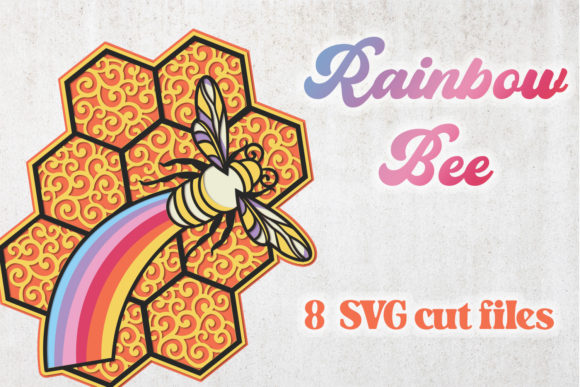
In the evolving landscape of digital crafting and graphic design, the demand for versatile, high-quality assets has never been higher. Creators across various disciplines—from professional sign makers to hobbyist crafters—are constantly seeking files that offer both aesthetic appeal and technical flexibility. A prime example of this convergence is the Layered Rainbow Bee - 8 Layers design. This summery and bright SVG composition is not merely a static image; it is a complex, multi-dimensional asset engineered for customization. By combining a cheerful beehive motif with vibrant rainbow elements and intricate decorations, this design serves as a foundational tool for a wide array of projects.
The core value of this asset lies in its structure. Unlike flat images that restrict the user to a single color palette and fixed composition, this design provides editable vector layers in an EPS10 document. This technical specification ensures compatibility with industry-standard software while maintaining crisp lines at any scale. Whether the goal is to create a large-scale vinyl decal for a storefront or a delicate paper cutout for a nursery, the underlying architecture of the file supports these diverse applications without loss of quality.
The Architecture of Multi-Layered Vector Files
Understanding the technical construction of the Layered Rainbow Bee - 8 Layers is essential for maximizing its utility. The design is meticulously organized into eight distinct levels, numbered from 1 to 8, starting from the bottom layer and ascending to the top. This hierarchical arrangement is critical for users working with cutting machines like Cricut or Silhouette, as well as for graphic designers using Adobe Illustrator or CorelDRAW.
Layer 1 typically forms the base or the background element, providing the foundation upon which the rest of the design rests. As one moves up through layers 2 through 7, additional details are introduced. These may include the structural components of the beehive, the arches of the rainbow, and the surrounding floral or geometric decorations. The final layer, Layer 8, often contains the finest details or the foreground elements that give the design its depth and character. This separation allows users to manipulate individual components without affecting the integrity of the whole.
The inclusion of an EPS10 document is a significant advantage. EPS (Encapsulated PostScript) is a legacy format that remains highly reliable for vector graphics. Version 10 ensures broad compatibility with older and newer software alike. Within this document, every curve, line, and shape is defined mathematically rather than by pixels. This means the Layered Rainbow Bee can be resized from the dimensions of a business card to the size of a building wrap without experiencing pixelation or blurring. For professionals, this scalability is non-negotiable.
Format Versatility: SVG, DXF, PNG, and EPS
While the EPS10 file serves as the master editables source, the utility of this design is amplified by its availability in multiple formats. The package includes SVG, DXF, and PNG versions of each layer, catering to different workflows and hardware capabilities.
- SVG (Scalable Vector Graphics): Ideal for web use and modern cutting machines. SVG files retain vector properties and are easily readable by browsers and most crafting software. They allow for easy color changes and layer manipulation within apps like Cricut Design Space.
- DXF (Drawing Exchange Format): Often preferred by users of Silhouette Studio Free Edition or those working with CAD software. DXF files break down the vector paths into a format that is universally accepted for plotting and cutting, ensuring precision in mechanical operations.
- PNG (Portable Network Graphics): While not vector-based, the inclusion of PNGs for each layer is invaluable for quick previews, digital mockups, or sublimation projects where a raster image with a transparent background is required. Having pre-rendered PNGs for all 8 layers saves time for users who do not need to edit the vector paths.
This multi-format approach ensures that the Layered Rainbow Bee - 8 Layers is accessible to everyone, regardless of their software subscription level or hardware preferences. It removes barriers to entry, allowing a teacher with basic tools to create classroom decorations just as effectively as a professional designer creating a client logo.
Practical Applications Across Industries
The versatility of this summery and bright design opens doors to numerous real-world applications. The combination of a bee, a beehive, and a rainbow evokes themes of nature, community, growth, and optimism. These themes resonate across various sectors.
Educational and Childcare Environments
In schools and daycare centers, visual stimuli play a crucial role in creating a welcoming atmosphere. The Layered Rainbow Bee is perfectly suited for nursery decor, classroom bulletin boards, and learning materials. Educators can utilize the separate layers to create interactive puzzles or matching games for young children. For instance, Layer 1 could be printed on cardstock as a base, while Layers 2 through 8 are cut from different colored felt or foam, allowing children to assemble the bee themselves. This tactile engagement supports fine motor skill development while reinforcing color recognition.
Furthermore, the "busy bee" motif is a staple in early childhood education, often used to teach concepts of teamwork and diligence. The rainbow element adds a layer of inclusivity and joy, making the design appropriate for diverse classroom settings. Because the layers are editable, a school administrator can easily adjust the colors to match specific institutional branding or seasonal themes without needing to commission a new graphic.
Small Business Branding and Retail
For small business owners, particularly those in the organic food, gardening, or handmade goods sectors, this design offers a ready-made branding solution. A local honey producer could adopt the Layered Rainbow Bee - 8 Layers as the central icon for their product labels. By isolating specific layers, they might choose to use only the beehive and the bee for a minimalist logo on jars, while employing the full 8-layer composition with the rainbow for larger signage or tote bags.
The ability to change colors is particularly advantageous here. A business can match the rainbow hues to their existing brand palette, ensuring consistency across all marketing materials. The intricate decorations included in the upper layers add a touch of sophistication that elevates the design above generic clip art, lending a professional appearance to startup ventures.
Event Planning and Seasonal Decor
Event planners frequently seek unique motifs that stand out from standard party supplies. The bright and cheerful nature of this SVG design makes it an excellent candidate for spring parties, baby showers, and summer festivals. Using the layered files, planners can create dimensional centerpieces. By cutting each of the 8 layers from varying thicknesses of acrylic or wood, a stunning 3D wall hanging can be constructed. The depth created by stacking the layers adds a luxury feel to event decor that flat prints cannot achieve.
Additionally, the design works exceptionally well for iron-on transfers and sublimation. T-shirts, tote bags, and aprons featuring the Layered Rainbow Bee can serve as unified attire for event staff or fun souvenirs for guests. The separation of layers allows for creative color-blocking techniques, where different parts of the design are applied in different materials or textures.
Customization and Workflow Efficiency
The true power of the Layered Rainbow Bee - 8 Layers lies in the customization workflow it enables. For a graphic designer, the process begins by opening the EPS10 file in a vector editing program. Here, the numbered layers provide an immediate roadmap. There is no need to spend hours ungrouping objects or tracing bitmaps. The designer can instantly toggle the visibility of specific layers to test different compositions.
Consider a scenario where a client wants a monochromatic version of the design for a laser engraving project. The designer can simply select all 8 layers and apply a single stroke or fill color, confident that the intricate details will remain distinct because they exist on separate planes. Conversely, if the goal is a vibrant, multi-colored sticker, each layer can be assigned a specific hex code to ensure brand accuracy.
The numbering system (1-8, bottom to top) also aids in the physical assembly of layered projects. When sending files to a cutting machine, the operator can name the mats according to the layer numbers. This reduces the risk of assembly errors, ensuring that the intricate decorations sit correctly on top of the beehive and rainbow base. This level of organization demonstrates a deep understanding of the end-user's needs, bridging the gap between digital design and physical production.
Technical Considerations for Optimal Results
While the design is robust, users should be mindful of a few technical considerations to ensure the best outcomes. When working with the DXF files, it is advisable to check the node count. Highly intricate decorations, while beautiful, can sometimes result in a high density of anchor points. Most modern machines handle this well, but for very small cuts or delicate materials like tissue paper, simplifying the path slightly may prevent tearing.
Additionally, when utilizing the PNG layers for sublimation, resolution matters. Although the source is vector, the exported PNGs should be checked for DPI (dots per inch) suitability relative to the final print size. For large format printing, regenerating the PNGs from the EPS source at a higher resolution is recommended to maintain sharpness.
Color theory also plays a role in customization. The default "summery and bright" palette is designed to evoke happiness and energy. However, when altering colors, users should consider contrast ratios, especially if the design is intended for signage or educational materials where readability is paramount. The separation of the rainbow layers allows for precise control over these contrasts, enabling the creator to highlight specific elements like the bee or the hive entrance.
The Value of Intricate Decorations and Detail
What sets the Layered Rainbow Bee - 8 Layers apart from simpler icons is the presence of intricate decorations. These elements are not merely filler; they add texture and visual interest that engage the viewer. In a market saturated with simplistic flat icons, depth and detail signal quality. These decorations might include stylized foliage, geometric patterns within the hive, or subtle accents around the rainbow arcs.
For laser cutters and CNC routers, these intricate details provide an opportunity to showcase the machine's precision. Cutting fine lines in wood or acrylic requires a file with clean paths and appropriate spacing, both of which are inherent in a professionally prepared EPS10 document. The result is a finished product that looks hand-crafted and bespoke, even when produced in batches.
Moreover, these details offer creative freedom. A user might choose to omit certain decorative layers to achieve a cleaner, more modern look, or they might emphasize them by using contrasting materials like glitter cardstock or metallic vinyl. The modular nature of the 8-layer structure empowers the user to make these aesthetic decisions without compromising the structural integrity of the main subject.
Conclusion on Utility and Adaptability
The Layered Rainbow Bee - 8 Layers represents more than just a digital download; it is a versatile toolkit for creators. Its strength lies in the thoughtful organization of its components, the breadth of its file format support, and the universal appeal of its subject matter. By providing editable vector layers in EPS10, along with SVG, DXF, and PNG alternatives, the design accommodates a vast spectrum of technical requirements and skill levels.
From the classroom to the corporate office, from the crafting table to the manufacturing floor, this design proves that functionality and beauty can coexist. It invites users to not just consume content, but to actively participate in its creation, modifying colors, sizes, and compositions to fit their unique visions. In an era where customization is king, assets that offer this degree of control and clarity are indispensable. Whether used to spark joy in a child's room or to build a brand identity for a new business, the Layered Rainbow Bee stands as a testament to the power of well-structured, high-quality digital design.